Údržbové vydání. Manuál se lépe čte na telefonu, v přehledu souborů uvidíte, kolik místa zabírá to, co už nepoužíváte, a jedním tlačítkem to uklidíte. Modul ikon umí zobrazit všechny ikony ve zvolené barvě a statický export má zpátky animace i písma bez chyb. AI konektor přestal otravovat přihlašovacím oknem.
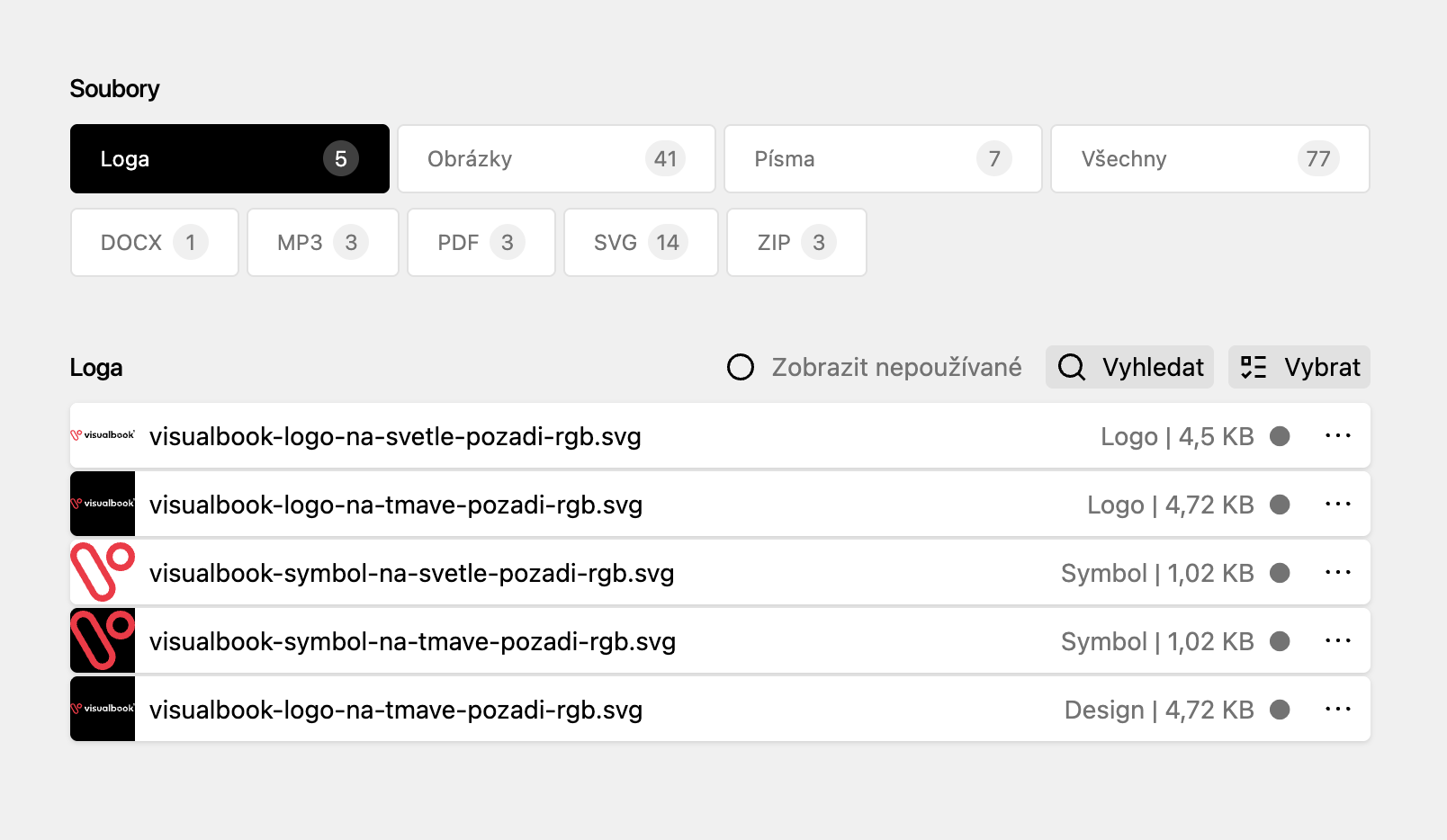
Přehled souborů — úklid nepoužívaných souborů
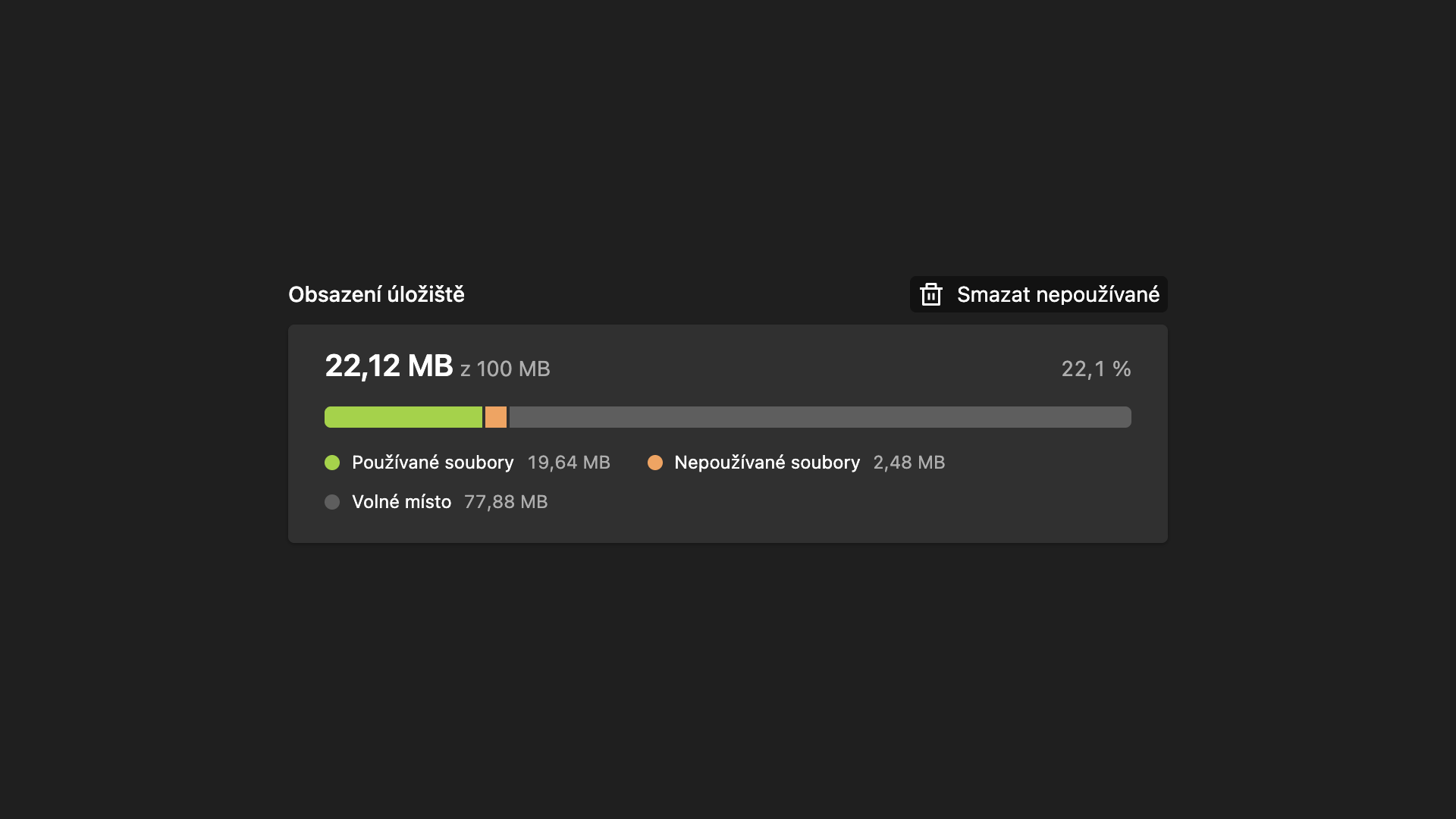
- Graf obsazení úložiště — linka nad „Informacemi o úložišti“ ukazuje, kolik místa zabírají používané soubory, kolik nepoužívané a kolik zbývá do kapacity. Po najetí myší (nebo klepnutí) se zobrazí přesné hodnoty.
- Velikost nepoužívaných souborů — u přepínače „Zobrazit nepoužívané“ je v závorce, kolik místa by jejich smazání uvolnilo.
- Tlačítko „Smazat nepoužívané“ (správce a manažer) — dialog ukáže počet a velikost souborů a pak je smaže po dávkách. Před každou dávkou se znovu ověří, že se soubor mezitím nezačal používat; pokud ano, zůstane.
- Spolehlivější rozpoznání nepoužívaných souborů — za používaný se nově považuje i soubor, na který odkazuje text, neuložená rozpracovaná změna, jazyk, který už nemáte zapnutý, nebo vlastní online nástroj. Logopack pro AI export a záložní logo se ke smazání také nenabízejí.
Manuál na telefonu
Prošli jsme všechny stránky manuálu na šířce běžného i malého telefonu.
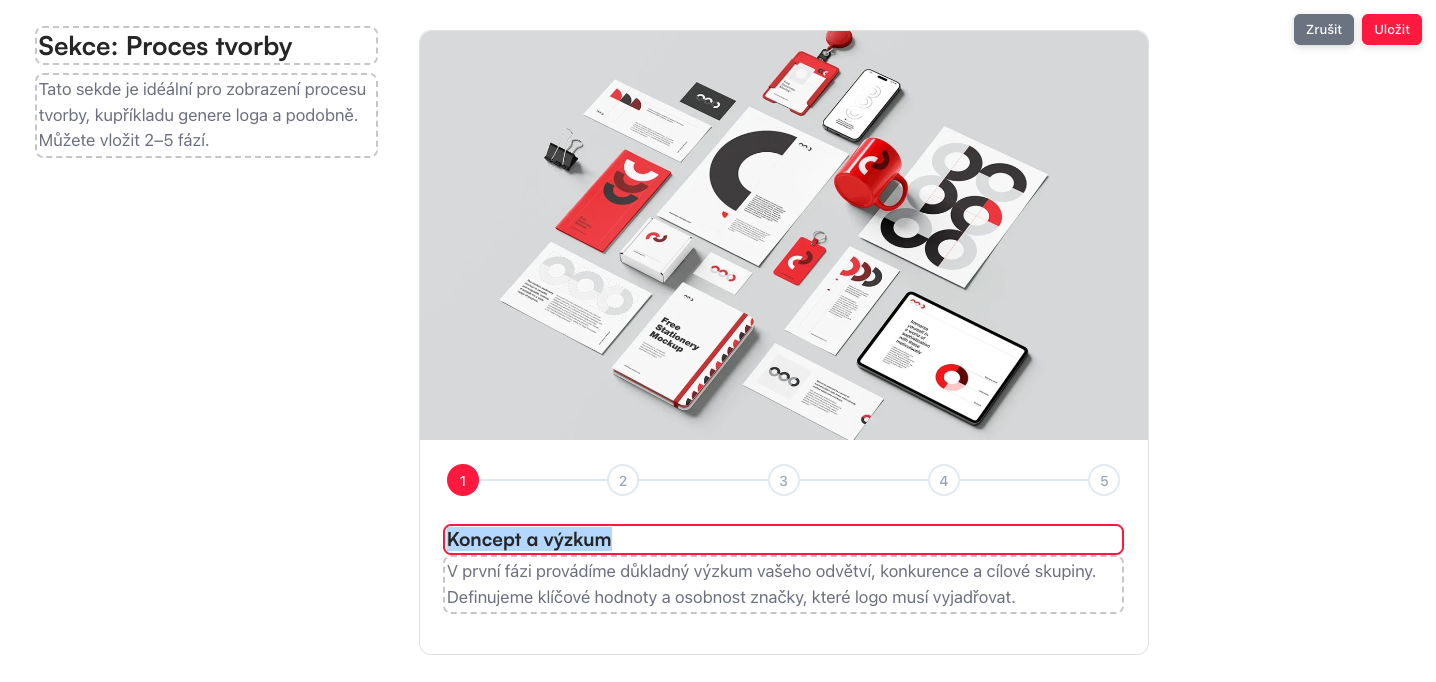
- Tabulky mají na telefonu užší buňky, takže se tří- i čtyřsloupcové tabulky vejdou. Když je tabulka přesto širší než displej, pravý okraj se rozplyne — čtenář pozná, že ji může posunout.
- Tlačítka ke stažení u obrázků, tabulek, videí a dalších sekcí: popisek se zalomí, místo aby skončil třemi tečkami.
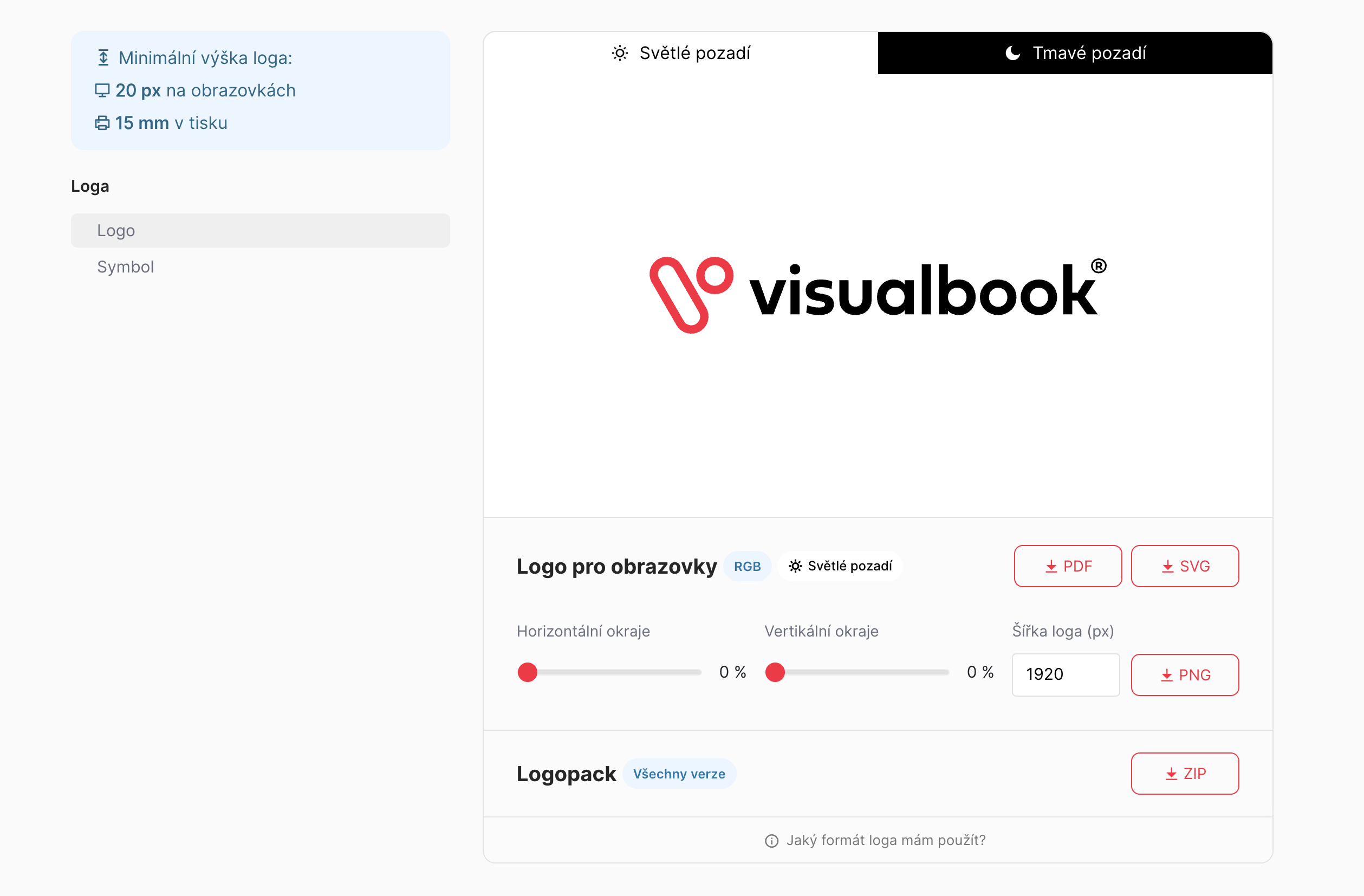
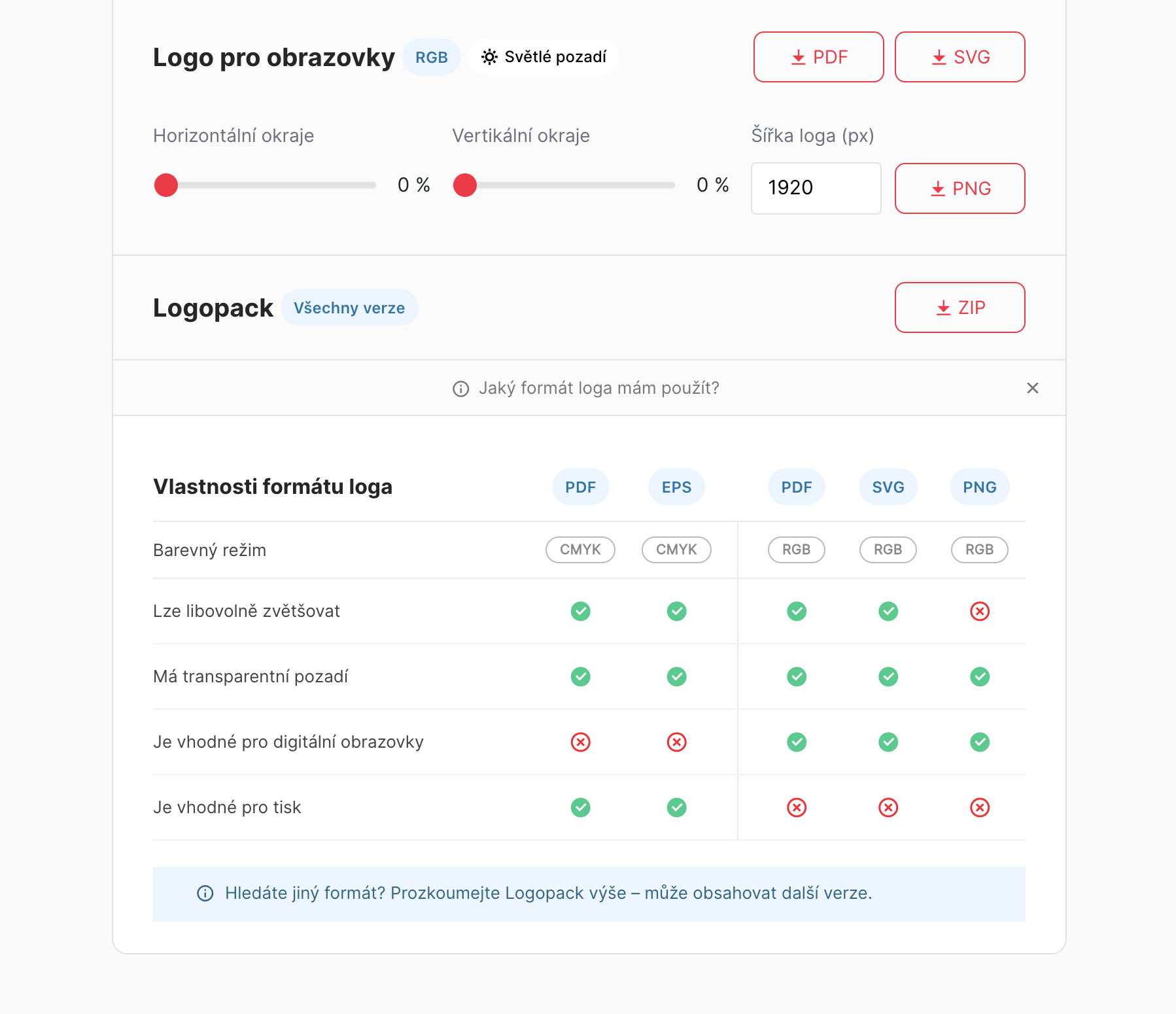
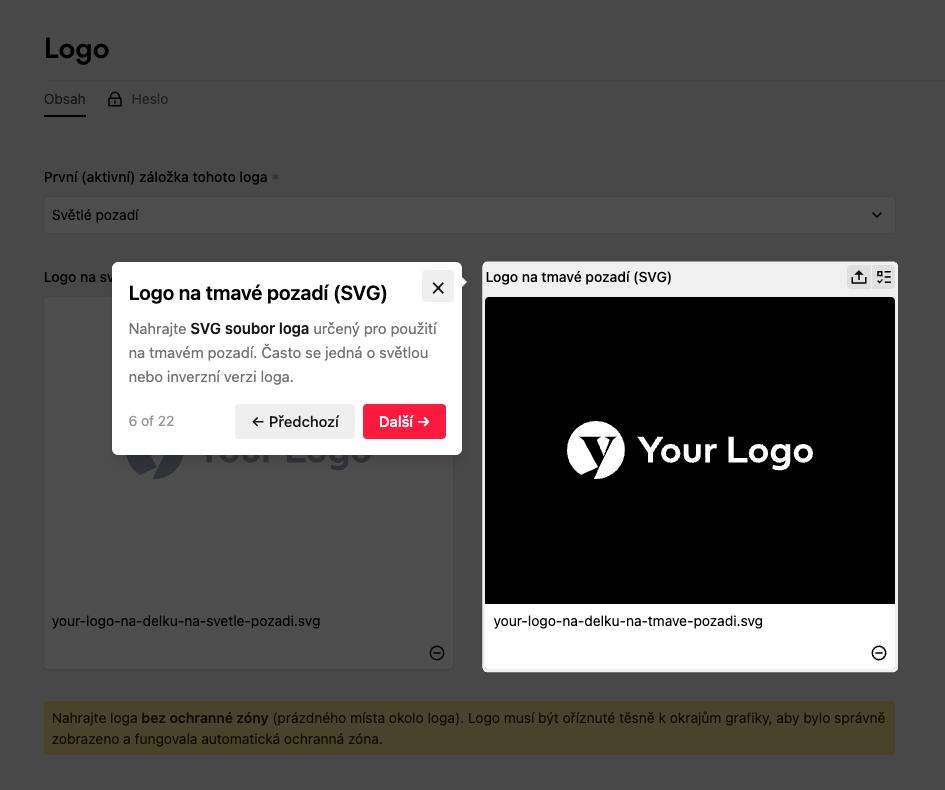
- Karta loga se na telefonu vejde celá — tlačítka PDF/SVG i nastavení šířky a PNG jsou vedle sebe, záložky na jednom řádku a stránka už nepřetéká do strany.
- Ikony mají na mobilu hustší mřížku, tlačítko pro stažení ZIPu je na vlastním řádku.
- Hledání je na telefonu schované pod lupou a po otevření má pole celou šířku; výsledky se zalamují.
- Drobečková navigace ukáže tolik úrovní, kolik se jich vejde celých, a teprve potom začne zkracovat. Na počítači už lomítko nepřetéká přes další položku.
- Formulářová pole (např. v generátoru vizitek) už v Safari na iPhonu po klepnutí nepřibližují stránku.
Ikony — výchozí barva
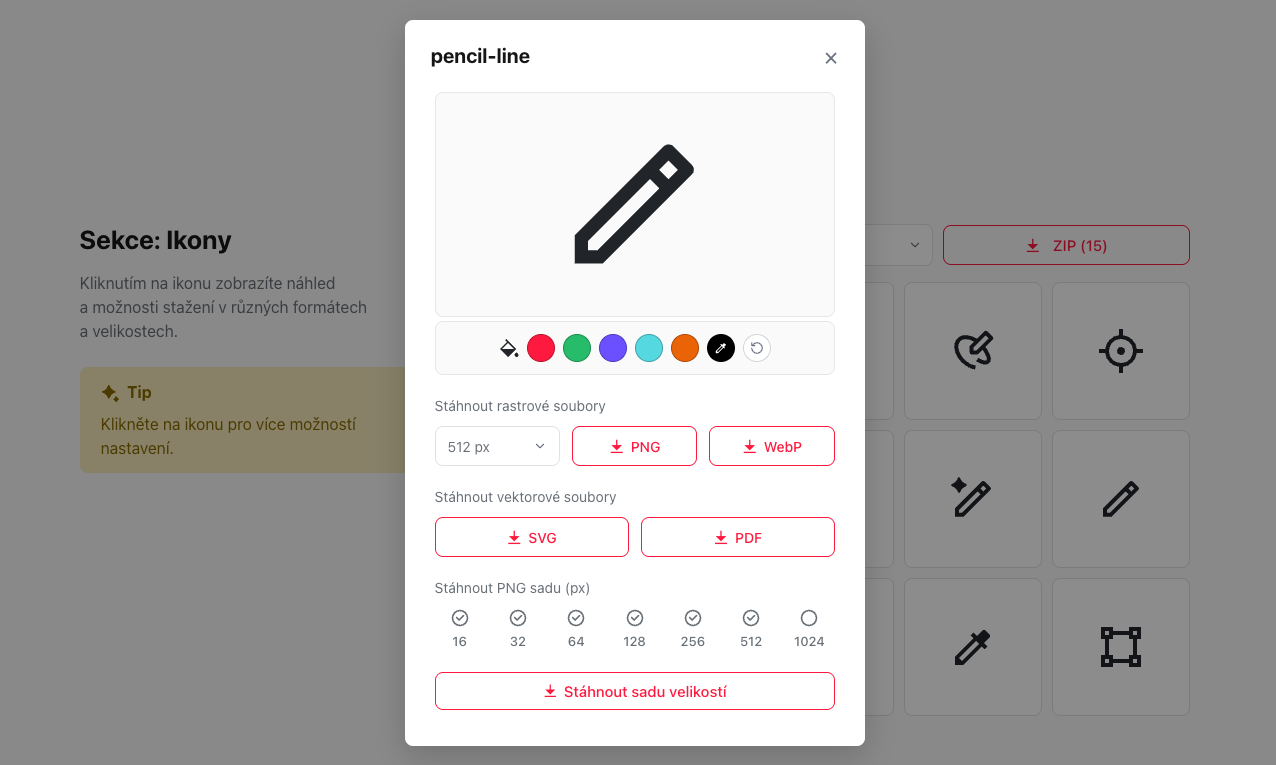
V modulu ikon je nové pole Výchozí barva ikon (vyberete brandovou barvu nebo zadáte vlastní). Když je vyplněné, všechny ikony modulu se na webu zobrazí v této barvě — hodí se hlavně pro bílé ikony, které na bílém pozadí nejsou vidět. Prázdné pole ponechá původní barvy. Nahrané soubory se nemění.
- Výchozí barva platí v mřížce i v detailu ikony a stáhne se v ní i SVG, PNG, PDF a ZIP.
- Obnovit vrací na výchozí barvu. Tlačítko s plechovkou a barevné kroužky se rozsvítí, až když návštěvník barvu vybere sám.
Informace o písmu i u Adobe Fonts
Modul písma v „Informacích o písmu“ ukazoval u řezu z Adobe Fonts jen počet znaků. Nově vypíše i rodinu, řez, slévárnu, autory a odkaz na stránku rodiny na Adobe Fonts.
AI konektor (MCP)
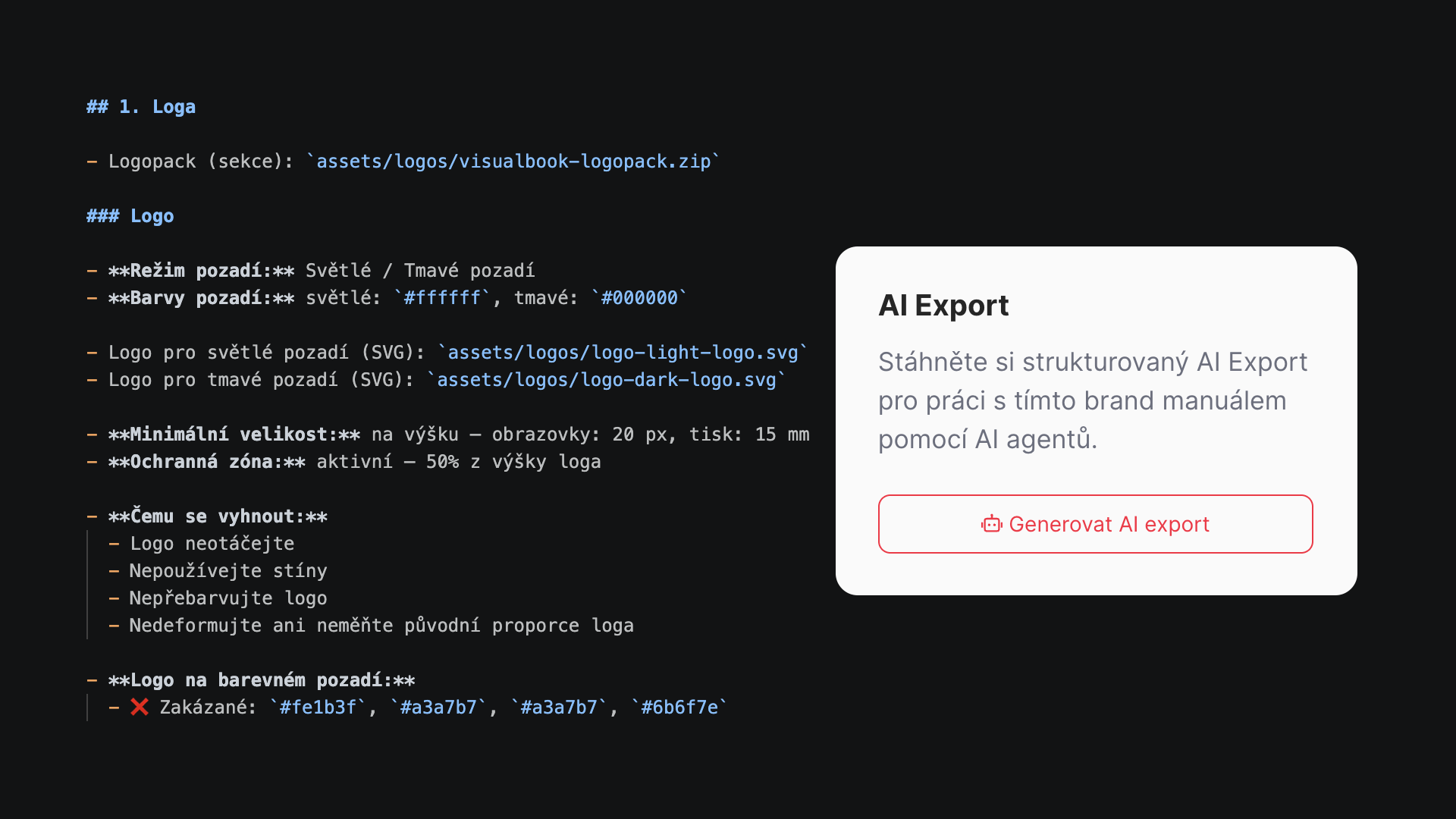
- Přihlašovací okno se už neotevírá samo při každém spuštění editoru nebo AI nástroje. Konektor se připojí tiše a o přihlášení požádá, až když s manuálem opravdu chcete pracovat.
- Přepínač v Administraci → MCP server teď vypne přihlašování úplně — asistent pak o přihlášení vůbec nežádá.
Opravy
- Stránka s mnoha velkými ikonami se nenačetla („Allowed memory size exhausted“). Ikony se vkládaly přímo do stránky, takže u desítek SVG o velikosti 1–2 MB měla stránka přes 80 MB. Velké ikony se teď načítají jako obrázky až při posouvání a detail, přebarvení, kopírování i stahování fungují jako dřív.
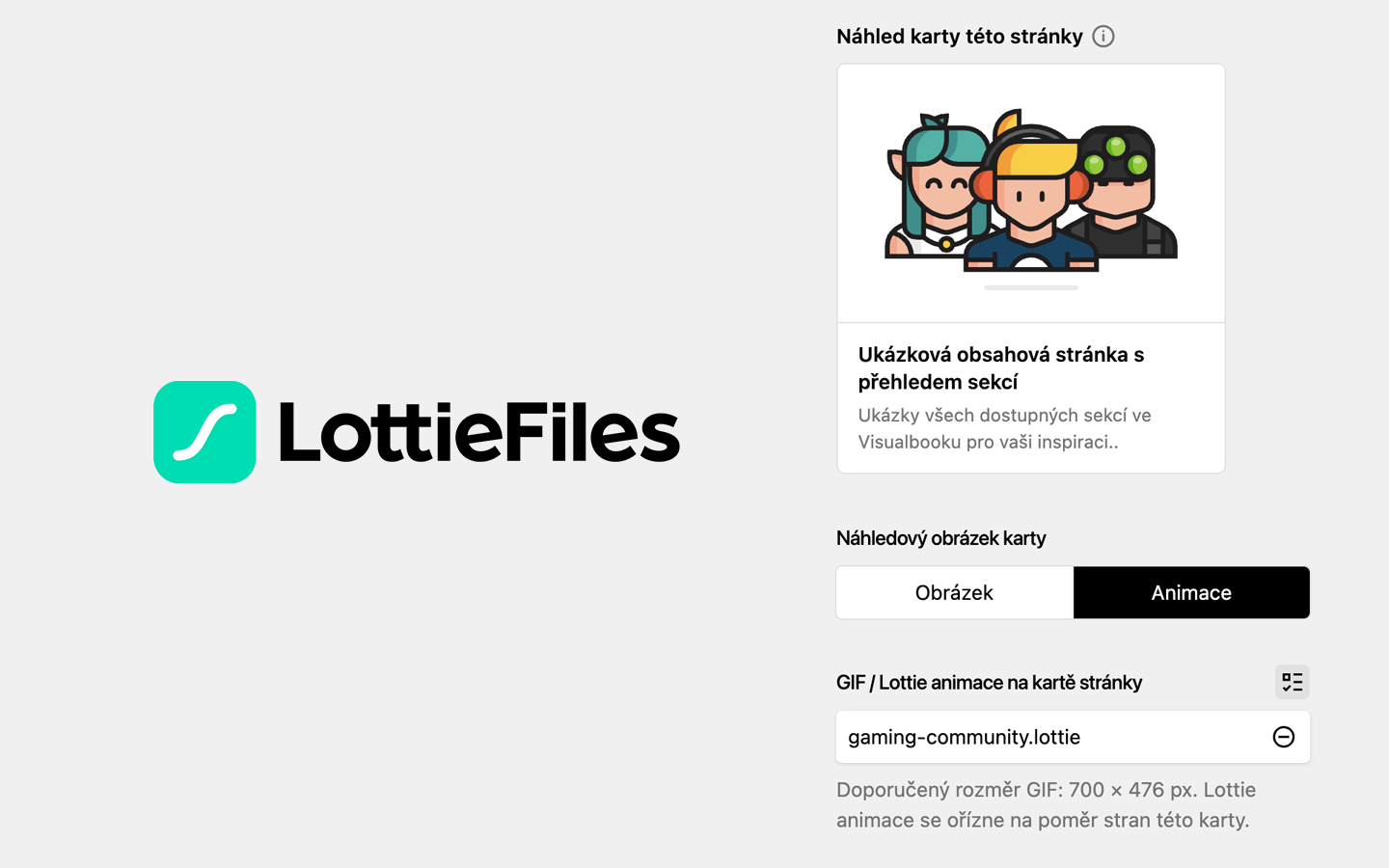
- Animace ve statickém exportu chyběly — kruhy na kartě barev ani nahrané Lottie animace se v exportu (webovém ani offline) nepřehrávaly. Teď se přehrávají.
- Offline export hlásil v konzoli chyby — každá stránka hledala neexistující soubor
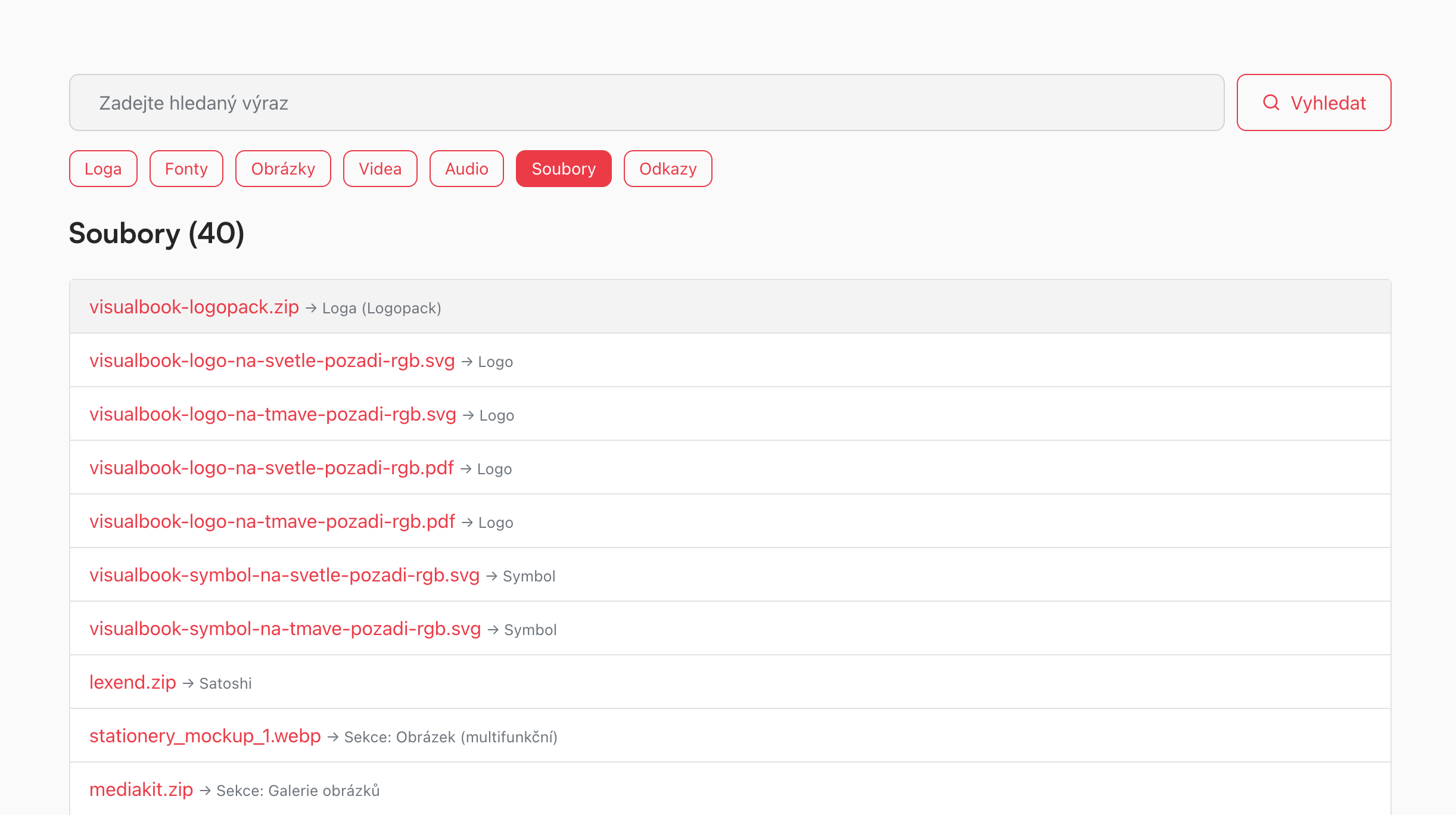
private/inline.jsa zbytečně přednačítala písma, a vzorník znaků se nejdřív neúspěšně pokoušel stáhnout soubor písma. Písma se zobrazovala i předtím, chyby v konzoli jsou teď pryč. - Hledání nenacházelo stránky podle názvu — na pomalejším hostingu mohlo vrátit jen soubory nebo „Nic nenalezeno“, i když dotaz přesně odpovídal názvu stránky.
- PDF loga z tlačítka ke stažení obsahovalo ořezovou masku kolem celé kresby. Illustrator ho proto otevřel jako ořezovou skupinu a některé programy logo zpracovaly špatně. Vzhled PDF zůstává stejný, jen bez masky. Totéž platí pro stahování ikon do PDF.
- Vlastní online nástroj s horním pruhem neměl pod sebou patičku manuálu.
- Smazání souboru mohlo poškodit stránku — na manuálu, který dřív měl víc jazyků, po smazání souboru zůstával jeho popis v dalším jazyce a stránka pak „ztratila“ svůj typ. Soubor se teď maže se všemi popisy ve všech jazycích.